Zen Z
Zen Z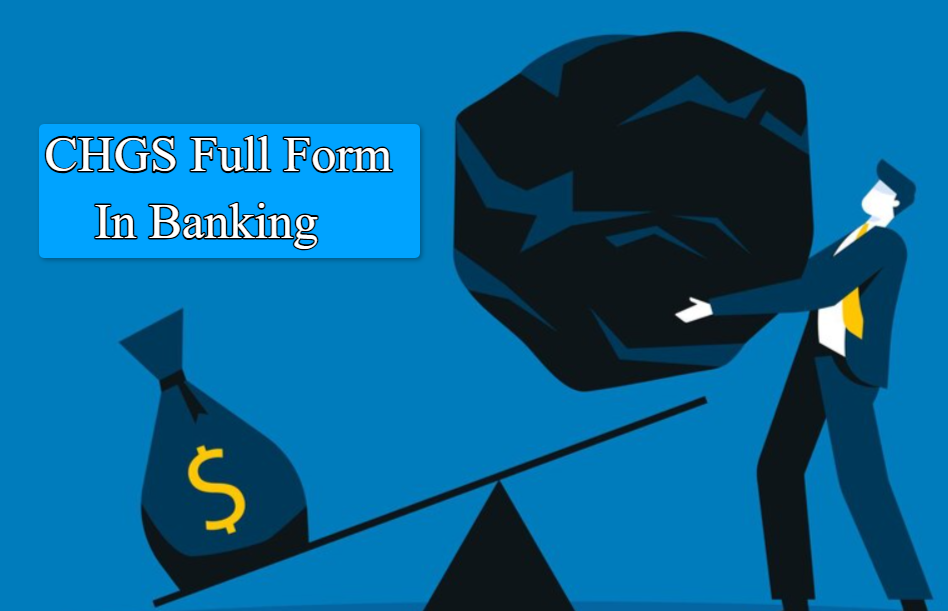
CHGS the full form of the banking industry is “Charges”. It is a popular abbreviation found on transactions records, bank statements and financial communications, to refer to different penalties or fees imposed by banks against customers for particular services such as transactions, transactions, or related to account activities.
Understanding CHGS in Banking
Banks charge costs (CHGS) to pay for operating costs, ensure the quality of service, and to generate revenues. The charges vary based on the kind of account, the transaction or service that is used. Common examples include:
- Costs for Account Maintenance Fees are assessed annually or quarterly for the management of savings accounts or current accounts.
- Transaction Fees are applied to transactions like NEFT RTGS, IMPS, or cheque book the issuance of.
- Penalties For example, the non-maintenance of a minimum balance or late payments to EMIs or cheque bounce fees.
- Service Fees For messages via SMS, ATM withdraws that exceed the free limit, and to convert foreign currency.
Why Do Banks Levy CHGS?
Banks operate as profit-driven entities. Charges are used to offset administrative costs technological upgrades, as well as risk (e.g. defaults, etc.). For example, processing digital transactions, or maintaining ATM networks is costly, which are passed along onto customers.
Impact on Customers
Although CHGS are common, excessive or hidden charges could be a burden on customers. In India it is the Reserve Bank of India (RBI) requires banks to make public the fees they charge in full. Customers should examine the institution’s “Schedule of Charges” to avoid any surprises.
Tips to Minimize CHGS
- Keep the minimum balance in your account.
- Make use of ATMs at your bank to stay clear of cross-bank withdrawal fees.
- Opt on digital bills in order to avoid physical copy costs.
- Limits on transactions for tracking free services.
Regulatory Oversight
The RBI assures banks that they follow ethical practices. The banks must inform customers of the latest charges via email or SMS announcements. Disputs arising from unjustified CHGS are able to be transferred through the Banking Ombudsman.